Abstract Orange Yellow Red Shape Seamless Patterns: The Ultimate Guide to Modern Graphic Design
In the fast-paced world of digital and print design, finding the perfect visual element can often feel like searching for a needle in a haystack. Designers constantly seek assets that are versatile, eye-catching, and capable of conveying complex emotions through simple forms. This is where abstract orange yellow red shape seamless patterns come into play. These vibrant, geometric compositions have transcended their role as mere background elements to become fundamental tools in modern creative industries.
Whether you are a graphic designer working on a high-end fashion campaign, an illustrator creating children's book covers, or a small business owner looking for unique packaging solutions, understanding the power of these specific color palettes and structures is essential. This article explores the significance of these designs, their practical applications, and why they remain a staple in the creative toolkit.
The Art of Color and Form in Abstract Design
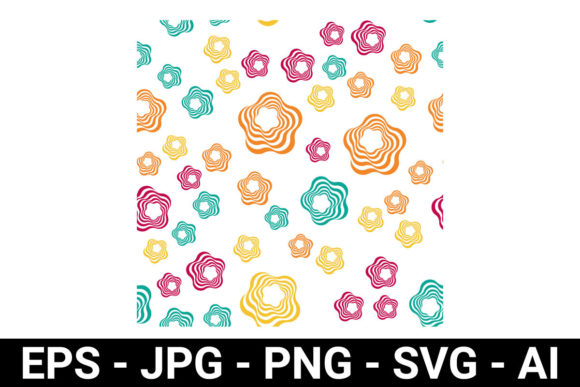
At its core, an abstract pattern relies on shapes, lines, and colors rather than realistic representations of objects. When we combine this with the warm spectrum of orange, yellow, and red, we tap into a psychological palette that evokes energy, warmth, passion, and creativity. Unlike cool tones that might suggest calmness or distance, these fiery hues command attention and stimulate activity.
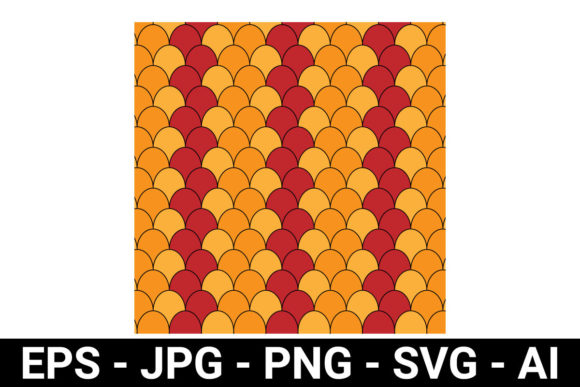
The term seamless is perhaps the most critical technical aspect of these files. A seamless pattern is designed so that it can be tiled infinitely without visible breaks or edges. This allows the design to cover large surfaces—such as walls, fabrics, or digital screens—while maintaining a continuous, flowing aesthetic. The "fishscale" or reptile-like repetition mentioned in many design libraries adds a layer of organic complexity to what could otherwise be rigid geometric shapes.
By utilizing vector formats (like AI, EPS, and SVG), designers ensure that these patterns retain their crisp quality regardless of size. Whether scaled up for a billboard or down for a social media icon, the geometric precision remains intact. This scalability is vital for professionals who need consistency across various media.
Versatility Across Industries and Applications
One of the primary reasons for the enduring popularity of abstract orange, yellow, and red patterns is their incredible versatility. They are not confined to a single niche; instead, they adapt fluidly to diverse sectors ranging from fashion to packaging.
- Fashion and Textiles: In the world of clothing, these patterns are frequently used for fabric prints. The reptile or mermaid skin textures created by overlapping shapes offer a bold statement piece for swimwear, evening gowns, or streetwear. The warm colors complement a wide range of skin tones and pair well with neutral accessories.
- Packaging and Wrapping: For businesses, product packaging is the first point of contact with a customer. An ornate and modern pattern can elevate a standard box into a premium experience. Imagine a cosmetic brand using a tile-based fishscale design in orange and red to signify luxury and energy.
- Digital Media and Web Design: On websites and apps, these patterns serve as engaging backdrops that draw the user's eye without overwhelming the content. They are perfect for headers, blog post illustrations, or presentation slides where a touch of oriental style or decorative flair is needed.
- Interior Decor and Wallpaper: Homeowners and interior designers use these seamless files to create custom wallpapers. The colorful nature of the design can transform a dull room into a vibrant space, adding depth and texture to living areas.
The Importance of File Formats: AI, EPS, SVG, JPG, and PNG
A high-quality ZIP folder containing these patterns typically includes multiple file formats to suit different workflow needs. Understanding the difference between them ensures you get the best results for your project.
AI (Adobe Illustrator) and EPS (Encapsulated PostScript) are vector formats. These are the gold standard for print work. Because they are based on mathematical equations rather than pixels, you can resize a graphic design element to the size of a building facade without losing any detail. This makes them indispensable for printing large-scale materials like banners or textiles.
SVG (Scalable Vector Graphics) is another vector format, but it is optimized for the web. It allows for interactive and responsive design elements that load quickly and look sharp on all screen resolutions. If you are building a website with a dynamic background, SVG is your go-to choice.
Conversely, JPG and PNG are raster formats. While they cannot be resized indefinitely without pixelation, they are universally compatible. They are perfect for quick mockups, social media posts, or when the final output device does not support vector files. PNGs, in particular, support transparency, allowing the pattern to blend seamlessly over other images.
Bridging Tradition and Modernity
There is often a misconception that abstract art is purely modern or Western. However, the style of these patterns often draws inspiration from oriental motifs, traditional paper cutouts, and ancient textile arts. The concept of repetition and decoration has been a part of human history for millennia, seen in everything from Chinese porcelain to Persian carpets.
Modern designers are reinterpreting these ancient concepts through a contemporary lens. By simplifying the shapes into clean geometric forms and applying a vibrant orange, yellow, and red gradient, they create a fusion of old-world charm and new-world technology. This blend appeals to a global audience that appreciates both cultural heritage and modern minimalism.
Common Misunderstandings About Pattern Usage
Even experienced creators sometimes stumble when integrating seamless patterns into their work. One common error is ignoring the texture of the final medium. A pattern that looks stunning on a computer screen might appear muddy when printed on certain types of paper or fabric due to ink absorption issues. Always test your illustration on a physical sample before mass production.
Another pitfall is overusing the pattern. While creative and decorative elements enhance a design, they should not overshadow the main message. Use the shape and art as a supporting character to highlight text or products, rather than letting the background compete for attention.
Conclusion: Unlocking Your Creative Potential
The abstract orange yellow red shape seamless pattern is more than just a pretty image; it is a powerful tool for communication. Its ability to convey energy, movement, and warmth makes it suitable for a vast array of projects. From graphic design portfolios to textile manufacturing, these patterns provide a foundation upon which creativity can flourish.
By understanding the nuances of the file formats available in your ZIP folder and applying them with intention, you can elevate your projects to professional standards. Whether you are creating a cover for a music album, designing a wrapping paper for a gift, or developing a backdrop for a virtual event, these vibrant, seamless designs offer endless possibilities. Embrace the repetition, experiment with the color, and let your imagination guide you in crafting something truly unique.