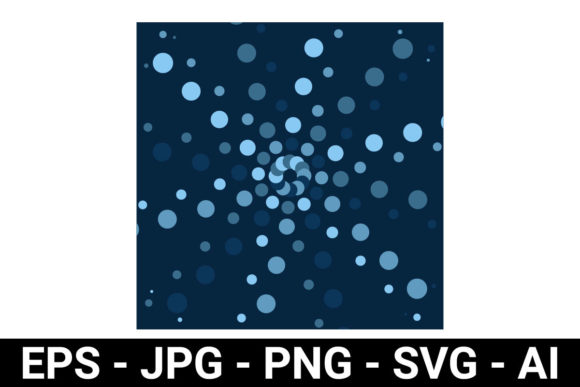
Blue Shades Polkadot Seamless Pattern
In the modern digital landscape, visual assets are rarely just decorative elements; they are functional tools that bridge the gap between concept and execution. The Blue Shades Polkadot Seamless Pattern represents a specific category of vector-based design resources that prioritize versatility and integration. This asset is not merely a collection of dots on a screen but a modular component designed to fit seamlessly into complex workflows for professionals, creators, and small business owners alike. Understanding how to leverage this pattern effectively requires looking beyond its aesthetic appeal and examining its utility within broader project lifecycles.
The core value of this pattern lies in its technical architecture. Packaged as a ZIP folder containing AI, EPS, SVG, JPG, and PNG formats, it offers immediate compatibility across diverse software ecosystems. For a graphic designer working in Adobe Illustrator, the availability of native AI and EPS files ensures non-destructive editing capabilities. Conversely, a web developer or content creator can immediately utilize the SVG and PNG versions for responsive layouts without needing intermediate conversion steps. This multi-format approach eliminates friction during the implementation phase, allowing teams to move from planning to production with minimal overhead.
Strategic Integration in Creative Workflows
When initiating a creative project, the choice of background often dictates the tone and usability of the final output. The blue shades polka dot motif serves as a foundational layer that supports rather than competes with primary content. In the preparation stage of a project, such as creating a pitch deck or a marketing brochure, selecting a cohesive visual theme early on saves significant time later. By importing the seamless pattern at the start, designers establish a consistent brand environment. The geometric nature of the circles provides structure, while the blue palette introduces a sense of calm and professionalism suitable for corporate presentations or educational materials.
During the execution phase, the pattern interacts dynamically with other design elements. Because the file includes high-resolution JPGs and scalable vectors, it adapts to various contexts without losing quality. A freelancer might use the SVG version as a subtle texture behind text blocks in a blog post, ensuring readability while adding visual interest. Alternatively, an entrepreneur designing packaging for a gift product could utilize the wrapping paper aspect of the pattern. The "tile" and "repeat" properties inherent in the seamless design mean that the pattern extends infinitely, making it ideal for large-scale prints where continuity is crucial. This flexibility allows the asset to transition smoothly from a digital backdrop to a physical print medium.
Optimizing for Digital and Print Environments
One of the most critical considerations when integrating any visual asset is the distinction between screen display and physical printing. The inclusion of both raster (JPG, PNG) and vector (AI, EPS, SVG) formats addresses this duality perfectly. For digital applications, such as website headers, social media covers, or mobile app interfaces, the PNG and SVG files offer sharp rendering at various resolutions. The blue tones can be adjusted via CSS or image editors to match specific hex codes required by a brand identity guide, ensuring consistency across platforms.
For print projects, the workflow shifts slightly. The AI and EPS files are essential here because they allow for precise color management. When preparing a document for professional printing, such as fabric swatches, stationery, or promotional posters, the ability to edit the vector paths ensures that the halftone effect remains crisp. The "dotted" and "spot" characteristics of the pattern create a retro-modern aesthetic that stands out in crowded marketplaces. However, successful implementation requires attention to color profiles. Professionals should verify that the CMYK values derived from the source files align with their printer's specifications to avoid unexpected shifts in the blue shades.
Organizational Efficiency and Asset Management
Efficiency in creative work is often dictated by how well assets are organized and retrieved. The structured delivery of the Blue Shades Polkadot Seamless Pattern in a single ZIP folder exemplifies best practices in asset management. Instead of searching through multiple downloads or converting files manually, users have immediate access to every necessary variation. This organization reduces cognitive load, allowing the creator to focus on the strategic aspects of the project rather than technical hurdles.
For teams collaborating on long-term goals, maintaining consistency is paramount. Using a standardized pattern across different departments or projects reinforces brand recognition. A marketer creating a series of email newsletters can apply the same background to all campaigns, creating a recognizable visual thread. Similarly, educators developing course materials can use the pattern to distinguish modules or sections. The "decorative" and "simple" attributes of the design ensure that it does not overwhelm the content, serving as a supportive element that enhances user engagement without causing distraction.
The adaptability of the pattern also extends to personal productivity systems. Hobbyists and freelancers who maintain digital planners or note-taking apps can integrate these backgrounds to create visually distinct sections. The "bubble" and "circle" motifs can symbolize brainstorming sessions or idea generation phases in a mind-mapping tool. By incorporating these visual cues, users create a more engaging and intuitive interface for their own thought processes. This practical application demonstrates how a static graphic asset can become a dynamic tool for organizing information and streamlining daily routines.
Quality Control and Long-Term Viability
Sustainability in design involves choosing assets that remain relevant over time. The modern and abstract qualities of the blue polka dot pattern ensure longevity. Unlike trends that rely on specific cultural references or fleeting styles, geometric patterns based on fundamental shapes like circles tend to endure. This makes the asset a wise investment for businesses looking to build a library of resources that can be reused for years. The "graphic" and "illustration" components provide enough detail to be interesting, yet simple enough to remain unobtrusive.
Quality control is another factor that influences the decision to adopt this pattern. The inclusion of multiple formats means that users can perform their own checks before deployment. If a JPG appears pixelated at a certain size, the user can revert to the SVG version to scale it up without degradation. This redundancy acts as a safety net, ensuring that the final output meets professional standards. Furthermore, the "colorful" nature of the blue shades allows for easy customization. Users can tweak the saturation or brightness to suit different lighting conditions or device screens, ensuring optimal visibility.
Practical Implementation Scenarios
To fully appreciate the utility of this resource, consider specific scenarios where it adds tangible value. In the realm of e-commerce, a small business owner launching a new line of accessories might use the pattern for product photography backdrops. The contrast provided by the blue dots against neutral-colored products draws the eye directly to the item, increasing conversion potential. The "gift" and "wrapping" keywords associated with the pattern suggest its suitability for holiday promotions or special occasion sales, where thematic consistency drives consumer trust.
For content publishers and bloggers, the pattern serves as a versatile header image or section divider. By applying the "seamless" property, the background can span the full width of a webpage, creating a unified look. The "paper" and "fabric" implications indicate that the design works well for textured overlays, adding depth to flat digital designs. This layering technique can elevate the perceived quality of a website or digital publication, signaling attention to detail to the audience.
Even in educational settings, the pattern has practical applications. Teachers can use the "dots" and "circles" as visual anchors in lesson plans or worksheets. The repetitive nature of the pattern can help structure information, guiding students' eyes through a sequence of points. The "creative" and "decorative" aspects make learning materials more inviting, reducing anxiety and encouraging participation. By integrating these visual elements into the curriculum, educators can foster a more positive and engaging learning environment.
Ultimately, the Blue Shades Polkadot Seamless Pattern is more than a decorative file; it is a flexible tool that supports a wide range of professional and personal endeavors. Its strength lies in its ability to adapt to various needs, from high-stakes business presentations to intimate hobbyist projects. By understanding the technical specifications and strategic applications of this asset, users can maximize its potential and streamline their workflows. Whether used as a backdrop, a texture, or a standalone graphic, the pattern delivers consistent quality and visual appeal, making it a valuable addition to any design toolkit.
The integration of such assets into daily operations requires a shift in perspective: viewing graphics not as afterthoughts but as integral components of the process. When approached with this mindset, resources like the blue shades polka dot pattern transform from simple images into powerful instruments of communication and efficiency. As you plan your next project, consider how this versatile design can enhance your vision, support your goals, and deliver results that resonate with your audience.