Christmas Invitation Card
In the landscape of holiday planning, a Christmas Invitation Card serves as more than just a piece of paper or a digital image; it is the primary touchpoint for setting expectations and tone. For professionals, small business owners, and creative entrepreneurs, the invitation represents the first step in a broader communication workflow. Whether you are organizing a corporate holiday party, a community fundraiser, or a personal family gathering, the design phase dictates the efficiency of the entire event execution process. The modern approach to creating these invitations has shifted from generic templates to custom assets that offer flexibility, scalability, and professional polish.
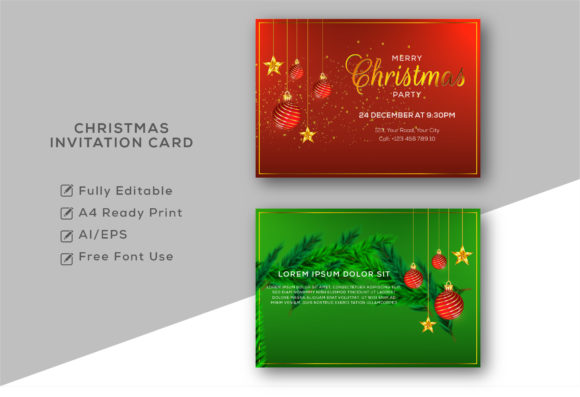
This specific collection focuses on a ready-to-print A4 size Christmas hat design featuring Santa Claus and snowman vectors. It includes festive banners adorned with decoration balls, realistic pine leaves, and social media posts designed for high-impact engagement. By utilizing these vector-based assets, creators can integrate holiday branding seamlessly into their existing workflows without the limitations of raster images or static graphics. The ability to manipulate these elements ensures consistency across all channels, from physical mailers to digital marketing campaigns.
Workflow Integration: From Concept to Production
The implementation of these designs begins before any file is opened. Effective project management requires understanding where the asset fits within your timeline. If you are a marketer launching a holiday campaign, the Christmas invitation card design should be developed during the content strategy phase. This allows time for testing different layouts and ensuring the message aligns with brand guidelines. For educators or bloggers planning seasonal activities, this resource acts as a central hub for generating materials like classroom decorations, printable worksheets, or event flyers.
The versatility of the provided formats—Ai, EPS, PDF, SVG, and High-Resolution Vector at 300 Dpi—means the asset can move fluidly between different stages of production. In a typical workflow, you might start with the SVG file for web use, such as an email header or a website banner. Once the digital layout is approved, you would switch to the PDF or high-resolution vector files for printing. This seamless transition eliminates the need to recreate designs or compromise quality when moving from screen to print.
For those using cut machines like Cricut Design Space, the integration is particularly efficient. These digital clip art files are optimized for cutting applications, allowing users to produce vinyl decals, stickers, and iron-on transfers with precision. The process involves importing the file, adjusting the layer settings, and sending the job to the machine. Because the files are compressed in a single ZIP archive, extraction via WinZIP, WinRAR, or direct double-clicking streamlines the setup, reducing technical friction and saving valuable time.
Design Elements and Visual Hierarchy
A successful invitation relies on visual hierarchy and thematic coherence. This collection features a dark background banner, which provides excellent contrast for white text and colorful accents. The inclusion of leaves, white balls, blue balls, and red balls creates a balanced composition that guides the viewer's eye naturally toward the core message. The realistic pine leaves add a touch of organic texture, preventing the design from feeling too sterile or overly digital.
The Santa Claus and snowman vectors are not merely decorative; they serve as emotional anchors. They evoke nostalgia and warmth, which are critical for engaging an adult audience aged 20 to 50. When designing a Christmas social media banner, these elements help establish a festive mood immediately. For business owners, this means higher engagement rates and better click-through rates for event registrations. The designs work in any application, ensuring that whether you are a graphic designer using Adobe Illustrator or a freelancer using Canva, the output remains consistent and professional.
Practical Use Cases Across Industries
The utility of these assets extends far beyond simple invitations. Understanding the various use cases helps maximize the return on investment for the digital purchase. Below are practical scenarios where these files drive tangible outcomes:
- Scrapbooking and Personal Projects: Hobbyists can use the high-resolution vectors to create custom photo albums or memory books. The ability to scale the images without loss of quality ensures that every page looks crisp, regardless of the paper size used.
- Cut Machines and Vinyl Decals: Small business owners often need branded merchandise. Using these designs with a cutting machine allows for the creation of custom stickers for product packaging, window decals for storefronts, or promotional items for trade shows.
- Clothes Printing and Iron-on Transfers: For families hosting matching pajama parties or corporate teams organizing holiday shirts, the SVG and AI files are perfect for heat press applications. The detailed lines of the snowman and Santa ensure that the final print is sharp and durable.
- Printable Decoration: Event planners can utilize the A4 size designs to create table centerpieces, wall hangings, or backdrop elements. The 300 Dpi resolution guarantees that the printed result meets commercial standards.
- Cards and Invitation Design: This is the core function. Whether sending digital invites via email or physical cards via post, the design provides a professional foundation that saves hours of manual layout work.
- Engraving: For those with laser engravers, the vector paths allow for precise etching onto wood, acrylic, or metal, creating unique keepsakes or awards.
Technical Considerations and Quality Control
When integrating these files into a production pipeline, attention to detail regarding file formats is crucial. The Ai File offers the most editing capabilities for advanced users who need to modify colors or layers. The EPS file is ideal for compatibility with older software versions or specific print shops that require encapsulated PostScript. The PDF file ensures that the layout remains fixed, making it perfect for sharing with clients or printers who do not have access to design software.
The SVG file is the cornerstone for web and machine cutting applications. Its scalability is essential for responsive design, ensuring that the Christmas social media post looks good on both mobile devices and desktop screens. The High-Resolution Vector at 300 Dpi is non-negotiable for any physical print job. Relying on low-resolution images leads to pixelation and a lack of professionalism, which can undermine the credibility of the event or brand being promoted.
Organization is another key factor. Since the files come in a compressed ZIP format, it is best practice to extract them immediately into a dedicated folder structure. Create subfolders for "Web Assets," "Print Ready," and "Cut Files." This organizational habit prevents confusion later in the workflow and ensures that the correct version of the file is used for each specific task. Consistency in file naming conventions also aids in long-term use, making it easier to retrieve assets for future events or repurposing.
Optimizing for Digital and Physical Channels
The intersection of digital and physical media is where these designs truly shine. A Christmas banner with decoration balls can be displayed on a website landing page to announce an event, while simultaneously being printed as a large format poster for the venue. The seamless transition between these mediums reduces the cognitive load on the user, as the visual identity remains constant.
For marketers, the Christmas social media banner with realistic pine leaves offers a strategic advantage. Realistic textures increase engagement by providing a sense of authenticity. In a feed dominated by flat graphics, a design with depth and natural elements stands out. This can lead to higher organic reach and better conversion rates for ticket sales or RSVPs.
Furthermore, the flexibility of the design supports iterative processes. If feedback suggests changing the color scheme from traditional red and green to a modern gold and navy, the vector nature of the files makes this adjustment instantaneous. There is no need to hunt for new stock photos or redraw illustrations. This agility is vital for businesses operating in fast-paced environments where deadlines are tight and adaptability is key.
Conclusion on Implementation
Ultimately, the value of this Christmas Invitation Card collection lies in its ability to streamline the creative process. It removes the barrier of entry for creating high-quality holiday materials, allowing professionals to focus on the substance of their message rather than the mechanics of design. By leveraging the provided formats and adhering to best practices in file management and quality control, users can execute complex projects with confidence.
Whether you are preparing for a major corporate celebration, managing a small community initiative, or simply looking to enhance your personal holiday communications, these assets provide the necessary tools for success. The combination of aesthetic appeal, technical versatility, and ease of use ensures that the final outcome is polished, professional, and effective. As you move forward with your planning, remember that the quality of your invitation sets the stage for the entire experience. With the right resources, the holiday season becomes an opportunity for connection, creativity, and meaningful engagement.