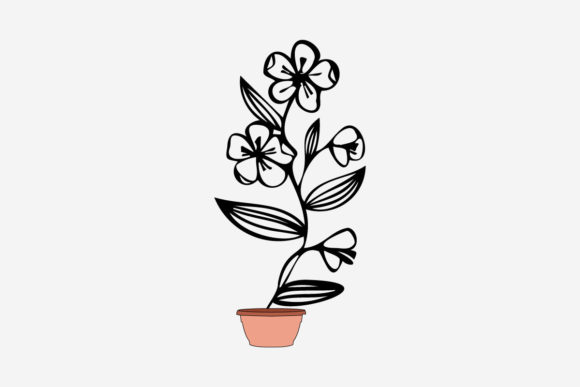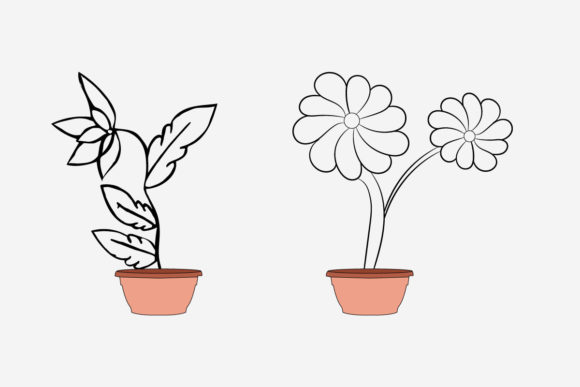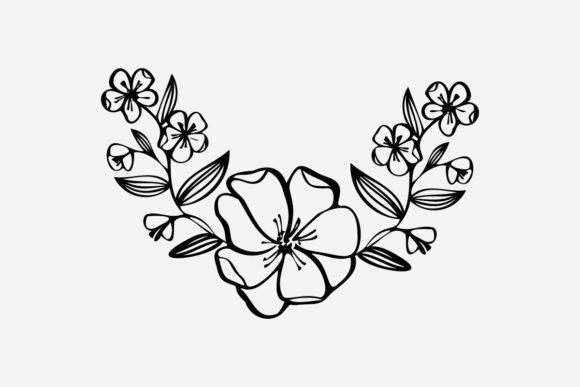
Flower Line Art Illustration Background: A Designer's Essential
In a digital landscape saturated with high-resolution photography and complex 3D renders, there is a distinct power in simplicity. Flower line art illustration background elements offer a sophisticated alternative that bridges the gap between organic beauty and modern minimalism. Whether you are crafting a brand identity, designing an educational resource, or creating a personal project, these hand-drawn floral motifs provide a versatile toolkit that elevates visual communication without overwhelming the viewer.
This style of design relies on the elegance of continuous lines to capture the essence of botanical forms. From delicate petals to twisting branches, the absence of heavy shading or color allows the subject matter to breathe. It is not merely about drawing a flower; it is about capturing the movement, growth, and structural integrity of nature through a single, fluid stroke. For professionals seeking to add a touch of authenticity to their work, this approach offers a unique aesthetic that feels both timeless and contemporary.
The Anatomy of Floral Line Art
At its core, flower line art is defined by its restraint. The key characteristics include clean, unbroken strokes and a focus on negative space. Unlike traditional botanical illustrations that often feature detailed cross-sections and vibrant colors, line art emphasizes form and silhouette. This results in a design element that is lightweight yet impactful.
- Hand-Drawn Authenticity: Even when digitized, these designs retain the subtle imperfections of human craftsmanship. The slight variation in line weight mimics the pressure of a pen or brush, adding a layer of warmth that vector perfection sometimes lacks.
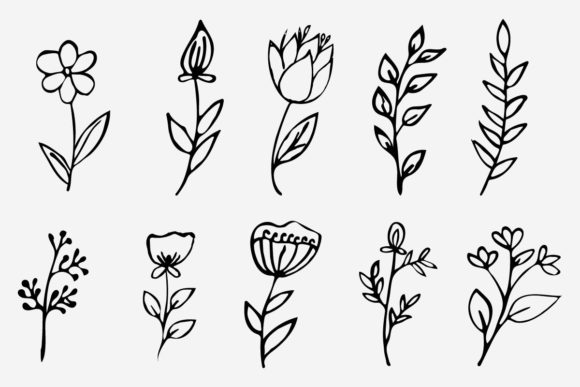
- Versatile Complexity: The collection ranges from simple, single-stem sketches to intricate, hand-drawn curly grass and flowers forming dense patterns. This range allows for scalability, ensuring the design works just as well on a business card as it does on a large-format banner.
- Structural Clarity: By stripping away texture and color, the viewer's eye is drawn directly to the shape and flow of the leaves and blooms. This makes the imagery highly legible even at small sizes.
The inclusion of calligraphic elements further enhances the composition. When floral wreaths and frames are paired with elegant script, the result is a cohesive design system that speaks to sophistication. These decorative floral pictures serve as natural borders or dividers, guiding the reader's attention through content in a way that feels intuitive rather than forced.
Practical Applications Across Industries
The utility of Flower Line Art Illustration Background extends far beyond simple decoration. Its adaptability makes it a valuable asset for creators across various sectors, from marketing agencies to independent educators.
Digital and Web Design
For web designers and developers, file format flexibility is crucial. Access to assets in SVG, AI, EPS, PDF, and JPEG formats ensures compatibility with every stage of the production workflow. An SVG version of a floral line art background scales infinitely without losing quality, making it perfect for responsive websites where images must look crisp on everything from mobile screens to 4K monitors. Using these lightweight files can also improve page load speeds, contributing to better SEO performance and user experience.
Branding and Marketing
Entrepreneurs and business owners often struggle to create a visual identity that stands out. A hand-drawn floral motif can soften a corporate image, making a brand feel more approachable and human-centric. Imagine a boutique skincare company using a delicate branch sketch as a watermark on their product packaging, or a wellness coach incorporating a floral wreath into their social media templates. These elements communicate care and attention to detail, fostering trust with the audience.
Educational and Editorial Content
Educators and bloggers benefit immensely from the clarity of line art. When explaining biological concepts or discussing gardening tips, complex diagrams can be intimidating. Simplified sketches of plants and leaves break down information into digestible visual chunks. Furthermore, in publishing, these designs serve as excellent drop caps, section headers, or margin decorations, adding a professional polish to articles and e-books without distracting from the text.
Commercial Print and Merchandise
The versatility of these designs shines in print applications. Because they are essentially black-and-white vectors, they are cost-effective to reproduce on various materials. They can be embossed on stationery, printed on tote bags, or used as patterns for fabric. The hand drawn flower illustration style translates beautifully to screen printing and laser cutting, allowing hobbyists and small business owners to create unique merchandise without expensive color separation processes.
Selecting and Implementing Quality Assets
While the potential of floral line art is vast, selecting the right assets requires a discerning eye. Not all "line art" is created equal. When evaluating a library of designs, consider the following factors to ensure you are investing in quality.
- Line Consistency: Examine the stroke width. High-quality illustrations maintain a consistent line weight throughout, or use deliberate variations to create depth. Jagged or pixelated lines indicate poor resolution or bad vectorization.
- File Integrity: Ensure the provided files (AI, EPS, SVG) are fully editable. Some assets come with locked layers or rasterized effects that limit your ability to customize colors or rearrange elements. True vector files allow you to isolate specific flowers or leaves within a wreath.
- Artistic Cohesion: Look for sets where the style is uniform. Mixing a hyper-realistic leaf with a cartoonish flower can disrupt the visual harmony of your project. A cohesive set ensures that your final design looks intentional and polished.
- Scalability: Test the design at different sizes. A beautiful floral frame might lose its definition when shrunk down for a favicon or a social media profile picture. The best Floral LineArt Flower assets remain clear and recognizable at any scale.
Maximizing Value Through Customization
One of the greatest strengths of working with line art is the ease of customization. Because these designs are typically monochromatic, you can apply virtually any color palette to match your brand guidelines. A simple change in hue can transform a neutral botanical sketch into a vibrant summer graphic or a moody, autumnal piece.
Furthermore, combining different elements allows for endless creativity. You might take a standalone flower sketch and integrate it into a larger branch pattern, or use the negative space within a floral wreath to place a logo or text. This layering technique adds depth and complexity to your projects without requiring advanced illustration skills. For marketers looking to increase engagement, these customizable visuals can be rapidly adapted for seasonal campaigns, keeping content fresh and relevant.
In conclusion, integrating Flower Line Art Illustration Background into your creative process is more than a stylistic choice; it is a strategic decision. It offers a balance of aesthetic appeal and functional efficiency that serves diverse needs. Whether you are building a website, designing a product, or simply expressing your creativity, the timeless elegance of hand-drawn botanicals provides a foundation for work that resonates with audiences on a deeper level. By leveraging high-quality, versatile assets, professionals can enhance their output, streamline their workflows, and deliver designs that truly stand out.