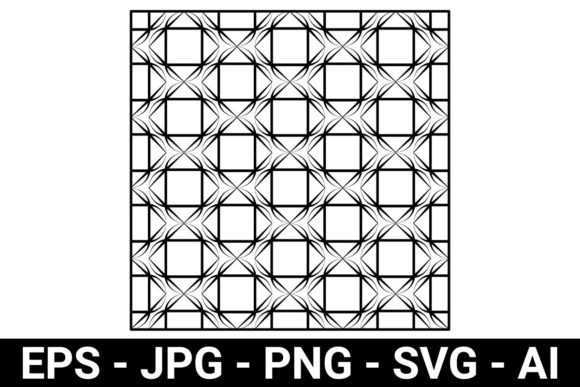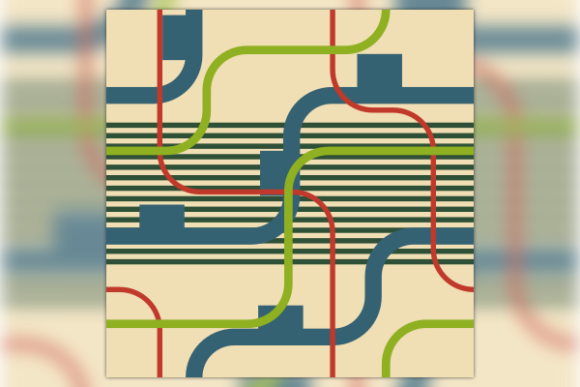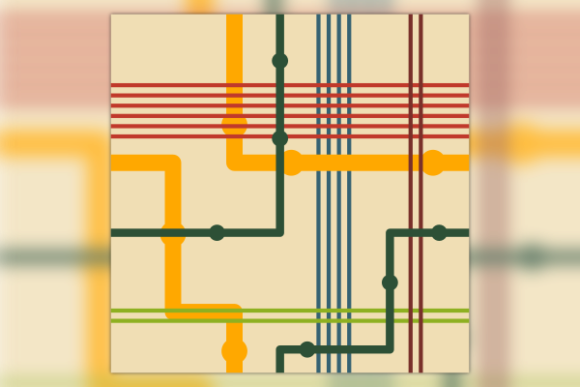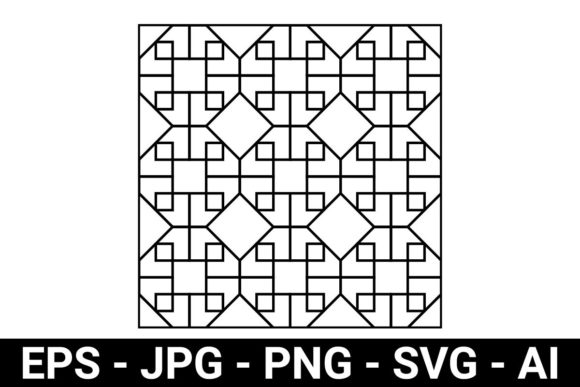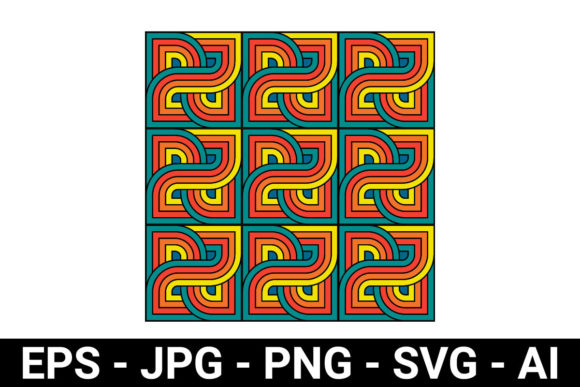
Colorful Tile Seamless Pattern for Modern Design
In the fast-paced world of digital and print design, finding a visual element that instantly captivates an audience while maintaining professional polish is essential. A Colorful Tile Seamless Pattern offers exactly that: a versatile, dynamic foundation that transforms ordinary layouts into memorable experiences.
This specific design asset serves as more than just a decorative backdrop; it acts as a strategic tool for enhancing brand identity and visual hierarchy. Whether you are crafting a vibrant social media graphic or developing a sophisticated packaging solution, the ability to repeat complex geometries without visible seams allows creators to maintain consistency across all touchpoints. By integrating these multicolor, futuristic designs, designers can elevate their creative projects with a sense of movement and energy that static images often lack.
The Strategic Value of Seamless Patterns in Branding
Visual communication relies heavily on immediate recognition and emotional connection. A well-executed pattern does not merely fill space; it reinforces brand personality. When used correctly, a colorful tile seamless pattern can become a signature element of a brand's visual language, appearing consistently on business cards, websites, and merchandise.
For businesses looking to stand out in crowded markets, the use of gradient and fantasy-inspired geometric designs provides a modern aesthetic that resonates with contemporary audiences. These assets allow for a cohesive look across diverse media, ensuring that whether a customer encounters your brand on a mobile screen or a physical product, the visual message remains strong and unified. This consistency is crucial for building trust and loyalty over time.
Practical Applications Across Industries
The versatility of vector-based seamless patterns makes them indispensable for a wide range of professional applications. Their scalability ensures they remain crisp at any size, from tiny icons to massive billboards. Here are several key areas where these design elements shine:
- Digital Marketing & Social Media: Create engaging backgrounds for posts, stories, and banners that draw attention without overwhelming the text.
- Web & UI Design: Use subtle repetitions to add depth to interfaces, improving user experience (UX) by guiding the eye through content sections.
- Packaging Design: Wrap products in unique, endless designs that make items pop on retail shelves.
- Editorial & Print: Enhance magazine layouts, brochures, and posters with rich textures that complement typography.
- Fashion & Textile: Leverage the repeat capability to generate fabric prints and wrapping paper that feature complex, multicolor motifs.
Selecting and Implementing Design Assets Effectively
While the visual impact of a colorful tile seamless pattern is undeniable, successful implementation requires thoughtful consideration of context and composition. Not every pattern suits every project, and the wrong choice can clutter a design rather than enhance it.
When evaluating a new asset, consider the color palette carefully. Ensure the hues align with your existing brand guidelines or the emotional tone you wish to convey. For instance, a rainbow gradient might work perfectly for a youthful, energetic campaign, whereas a more subdued geometric repetition might be better suited for corporate presentations. The goal is to support the message, not distract from it.
Scalability is another critical factor. Since these files often come in formats like AI, EPS, SVG, JPG, and PNG, designers have the flexibility to choose the right resolution for the medium. Vector formats (AI, EPS, SVG) are ideal for large-scale printing and logo design because they can be resized infinitely without losing quality. Raster formats (JPG, PNG) are excellent for web use but require careful management of file size to ensure fast loading times.
Enhancing Visual Hierarchy and Readability
A common pitfall in using decorative backgrounds is compromising readability. To maintain a professional presentation, always test your pattern against your primary text and call-to-action elements. If the pattern is too busy, consider reducing its opacity or placing it behind a solid-colored overlay to create contrast. This technique preserves the visual interest of the design while ensuring that typography remains legible and clear.
Furthermore, consider the concept of "wrapping" and "repetition." In fashion and textile design, the alignment of the pattern must be precise to avoid awkward breaks in the flow. In digital design, ensuring the pattern tiles seamlessly prevents distracting lines from appearing when content scrolls or resizes. Tools that offer endless, repeatable vectors simplify this workflow, allowing designers to focus on creativity rather than technical adjustments.
Ultimately, the power of a Colorful Tile Seamless Pattern lies in its ability to bridge the gap between abstract art and functional design. By selecting high-quality creative assets that fit your specific goals, you can create visuals that are not only beautiful but also effective in communicating your brand's story. Thoughtful design choices, grounded in a deep understanding of visual principles, turn simple graphics into powerful tools for engagement and growth.