Sakura Cherry Blossom Branch Line Art Guide
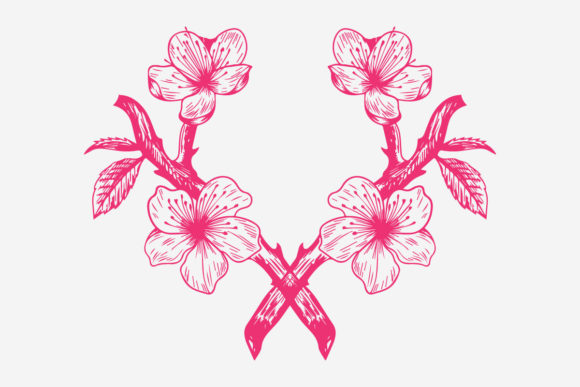
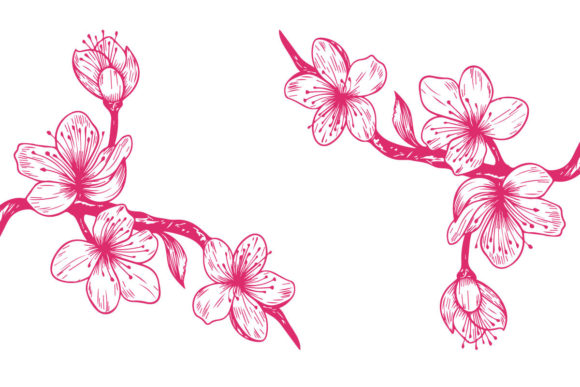
The Sakura Cherry Blossom Branch Line Art represents more than just a simple drawing of a tree; it is a visual language that communicates the fleeting beauty of spring, the concept of renewal, and the delicate balance of nature. At its core, this style isolates the intricate structure of cherry or apricot branches, focusing on the graceful curves of the wood and the soft, falling petals that define the season. Unlike heavy, fully rendered illustrations, line art relies on the power of negative space and clean strokes to evoke emotion. It captures the essence of the bloom without overwhelming the viewer, allowing the imagination to fill in the colors.
When you encounter an image described as isolated flying realistic Japanese pink floral elements or a pattern featuring falling petals, you are looking at a versatile asset designed for adaptation. These designs often feature watercolor painting aesthetics translated into vector formats, ensuring they remain crisp regardless of size. Whether it is a silhouette of a branch against a white background or a complex pattern intended for fabric, the underlying theme remains consistent: the celebration of nature's most iconic seasonal event.
Why This Art Form Matters Across Different Groups
While the subject matter appears universal, the value of Sakura Cherry Blossom Branch Line Art shifts dramatically depending on who is using it. For one person, it might be a source of daily inspiration, while for another, it is a critical component of a commercial product. Understanding these distinct perspectives helps clarify why this specific type of illustration is so widely sought after.
For Beginners and Hobbyists
Those new to digital design or traditional sketching often look for resources that bridge the gap between complexity and accessibility. A high-quality line art file allows a beginner to experiment with coloring techniques without worrying about the structural integrity of the drawing. They can take a pre-drawn branch and apply their own watercolor style or solid colors, learning how light and shadow interact with the organic shapes of the petals. The "falling petal" element is particularly useful here, as it offers a dynamic focal point that teaches composition and movement. For a hobbyist creating a greeting card for a friend, the ability to isolate a single branch means they can focus entirely on the emotional message rather than the technical difficulty of drawing a tree from scratch.
For Creators and Bloggers
Content creators constantly search for visuals that capture attention quickly. In a feed filled with vibrant photos, a clean black-and-white line art illustration can stand out due to its simplicity and elegance. A blogger writing about travel in Japan or the cultural significance of Hanami (cherry blossom viewing) can use these images to break up text and add aesthetic appeal. The versatility of having the same image available in multiple formats—such as SVG for web interactivity or JPEG for social media posts—means they can maintain a cohesive brand identity across different platforms. The "cute" and "beautiful" descriptors often associated with these assets help establish a warm, inviting tone for their audience.
For Professionals and Designers
Experienced designers prioritize flexibility and precision. When working on a project involving traditional Japanese culture, marriage invitations, or seasonal marketing campaigns, the quality of the vector file is paramount. They need to ensure that the lines remain sharp when scaled up for large format printing or scaled down for mobile app icons. The availability of EPS, AI, and PDF files ensures that the artwork can be edited, layered, and integrated into complex layouts without losing resolution. For a professional, the "isolated" nature of the elements is crucial; it allows them to deconstruct the image, rearranging the petals and branches to create a custom pattern that fits a specific layout constraint perfectly.
Evaluating Quality and Practical Use Cases
When selecting Sakura Cherry Blossom Branch Line Art, several priorities come into play, ranging from ease of use to long-term commercial value. The decision-making process often hinges on the intended application of the final design.
- Commercial Value: For entrepreneurs and small business owners, the licensing terms and scalability of the image are key. A vector file containing a full bloom tree can be used on packaging, textiles, or merchandise. The ability to manipulate the color palette to match a brand's specific "pink" or "white" requirements adds significant value. If the design includes symbolic elements like marriage motifs, it becomes a ready-made solution for wedding stationery, saving hours of design time.
- Creativity and Learning: Educators and students may view these assets as teaching tools. Using a detailed sketch of a cherry blossom tree can facilitate lessons on botanical accuracy, the history of Asian art, or the principles of line weight and flow. The "drawing" aspect encourages observation, while the "pattern" aspect introduces concepts of repetition and symmetry.
- Speed and Reliability: Marketers facing tight deadlines need assets that work immediately. An isolated element that requires no tracing or redrawing allows for rapid prototyping. Whether it is a quick social media graphic for a spring sale or a last-minute update to a website banner, the reliability of a well-structured vector file ensures the project stays on schedule.
Matching the Asset to Your Project
To determine if this specific art style aligns with your goals, consider the atmosphere you wish to convey. If your project requires a sense of tradition, nostalgia, or the serene beauty of the "season," then Sakura Cherry Blossom Branch Line Art is an ideal choice. However, if you need a bold, high-contrast graphic with heavy textures, a pure line art approach might feel too minimalistic.
Consider the medium of your output. For print materials like brochures or book covers, the high-resolution capabilities of EPS and PDF files are essential to capture the fine details of the falling petals. For digital applications, such as websites or apps, the SVG format ensures the image scales perfectly on any screen size, maintaining the crispness of the branch lines. The inclusion of "autumn" elements in some variations suggests a broader utility, though the primary association remains with the spring season of full bloom.
The cultural depth of the imagery cannot be overstated. In many contexts, the cherry blossom symbolizes the transient nature of life, making it a profound choice for projects dealing with themes of change, memory, or new beginnings. Whether used in a "Japanese pattern" for a fashion collection or as a decorative border for a "new year" announcement, the symbolism adds a layer of meaning that generic floral clips often lack.
Ultimately, the choice to use Sakura Cherry Blossom Branch Line Art depends on your need for elegance, adaptability, and cultural resonance. By understanding how different audiences leverage these elements—from the novice coloring a page to the pro designing a global campaign—you can better appreciate the utility and beauty of this timeless artistic motif. The intersection of nature, technology, and tradition found in these files makes them a valuable resource for anyone looking to infuse their work with the spirit of the sakura.